


The Allure of Gambling: Psychological Triggers
The world of casino gambling is deeply rooted in psychology. One of the primary factors attracting individuals to gamble is the thrill of uncertainty. The unpredictable nature of outcomes can lead to heightened adrenaline levels, creating a sense of excitement that many find irresistible. This adrenaline rush triggers emotional responses that can result in a feeling of euphoria, which is often sought after in various recreational activities, including crypto gambling sites.

Additionally, the psychology of reward plays a significant role in gambling behavior. The intermittent reinforcement schedule found in casino games—where winning happens sporadically rather than consistently—reinforces the desire to keep playing. This unpredictable pattern of wins can lead gamblers to develop an optimistic bias, believing that they are due for a win, which compels them to continue their gambling efforts.
Cognitive Biases and Gambling Decisions
Cognitive biases significantly affect how gamblers make decisions in a casino setting. One prevalent bias is the gambler’s fallacy, which is the mistaken belief that past events influence the probability of future outcomes in games of chance. For example, a player might think that since a roulette wheel has landed on red several times, the next outcome is more likely to be black. This flawed reasoning can lead to illogical betting patterns and increased losses.
Moreover, confirmation bias also plays a role in gambling strategies. Players tend to focus on winning outcomes that align with their beliefs while ignoring losses. This can reinforce their gambling behavior and lead them to develop strategies that are ineffective or irrational, all in pursuit of their perceived luck or skill.
The Role of Emotional States in Gambling Choices
Emotions are a powerful influencer on gambling strategies. Gamblers often enter casinos in varying emotional states—ranging from euphoria and excitement to boredom and anxiety. Each of these states can alter decision-making processes, leading to impulsive bets or overly cautious strategies. Players may gamble more recklessly when feeling euphoric, believing that their luck will continue, while anxiety can lead to hesitation and missed opportunities.
Furthermore, emotional attachment to specific games can develop into a personal strategy, where players stick to familiar games that evoke positive memories, regardless of their overall profitability. This emotional connection often clouds judgment and can keep players engaged longer than they initially intended.
The Influence of Environment on Gambling Behavior
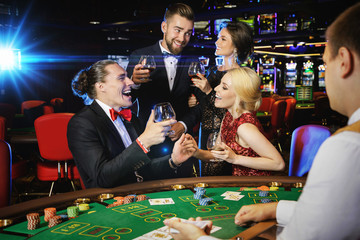
The environment within a casino plays a crucial role in shaping gambling behavior. Casinos are designed to evoke positive feelings and create a sense of urgency to gamble more. Bright lights, appealing sounds, and enticing graphics all contribute to an immersive atmosphere that can escalate gambling activity. Additionally, the layout of a casino encourages players to keep gambling by minimizing distractions and maximizing focus on the games.
Social factors also come into play as players observe others engaging in gambling. The presence of fellow gamblers can amplify excitement and encourage individuals to join in, influenced by the collective mood. This social validation often drives individuals to adopt strategies they might not typically consider when gambling alone, further complicating their decision-making processes.
Conclusion and Resources for Responsible Gambling
Understanding the psychology behind casino gambling strategies is essential for both players and operators. It highlights the importance of recognizing how emotional states, cognitive biases, and environmental factors can influence gambling behavior and decision-making. By becoming aware of these psychological elements, gamblers can make more informed choices and develop healthier habits.
For those seeking to enjoy gambling responsibly, it’s crucial to set limits and adhere to them. Resources are available to help individuals navigate their gambling experiences, including self-assessment tools and support services. By understanding the psychological aspects of gambling, players can enhance their enjoyment while minimizing risks in the dynamic world of casinos.