


Understanding the signs of gambling addiction a guide to awareness and recovery
Defining Gambling Addiction
Gambling addiction, often referred to as compulsive gambling or ludomania, is a condition characterized by an uncontrollable urge to engage in gambling activities despite negative consequences. This addiction can have far-reaching effects on an individual’s mental health, relationships, and financial stability. Unlike casual gambling, which can be a fun pastime for many, gambling addiction leads to a cycle of obsession and desperation, making it difficult for individuals to stop even when they want to. Many turn to betting sites in hopes of regaining control, but this often exacerbates the problem.
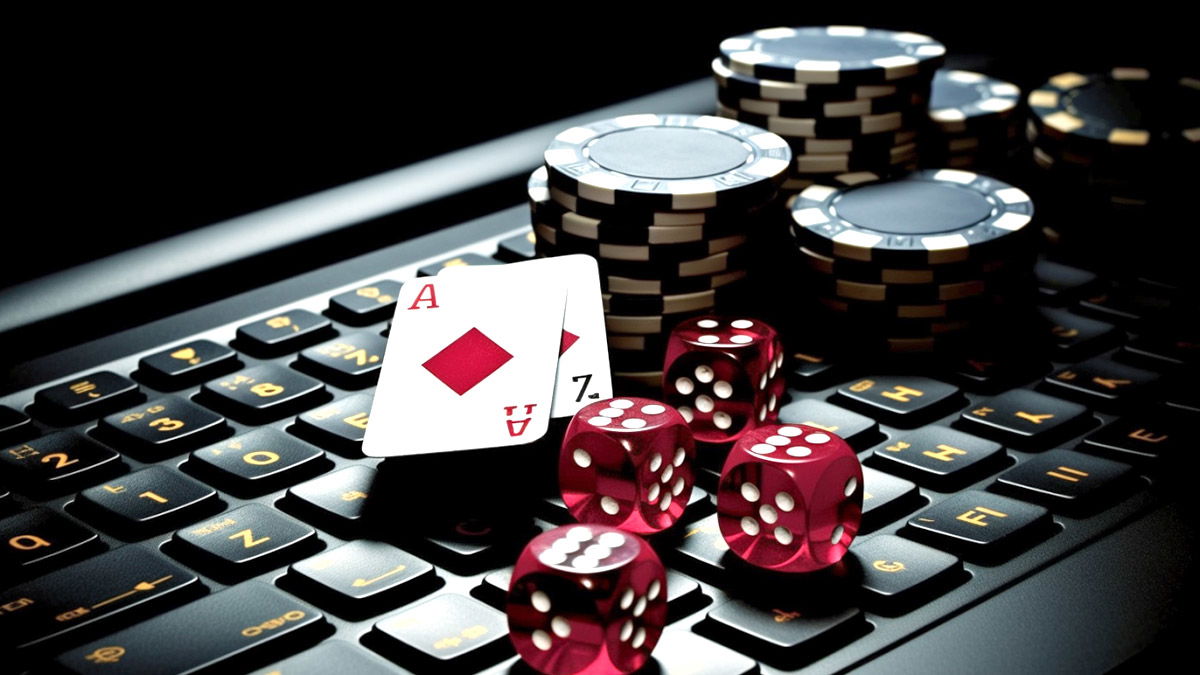
Understanding this addiction is crucial for both those who are affected and their loved ones. Recognizing the signs early can help in seeking timely intervention and support. Gambling addiction can manifest in various forms, from frequent visits to casinos to online betting, and it often involves a progression where the individual escalates their gambling habits in pursuit of the same thrill or rush.
Common Signs of Gambling Addiction
Identifying gambling addiction involves looking for specific behavioral patterns. One of the most notable signs is a preoccupation with gambling, where individuals find themselves constantly thinking about their next bet or recalling past gambling experiences. This obsession can take over their thoughts, interfering with daily responsibilities, such as work and family commitments.
Other indicators include lying about the extent of gambling activities, borrowing money to gamble, or chasing losses—an attempt to recover lost funds by wagering even more. These behaviors can create a vicious cycle that deepens the addiction, leading to emotional distress, anxiety, and potential financial ruin.
The Impact of Gambling Addiction
The effects of gambling addiction extend beyond the individual, often impacting family members, friends, and the broader community. Families may face financial strain due to unpaid debts or loss of savings, leading to tensions and breakdowns in relationships. Moreover, the emotional toll on those affected can lead to depression, anxiety, and feelings of isolation.
In some severe cases, individuals may resort to drastic measures to cover their gambling debts, including illegal activities. The stigma surrounding gambling addiction can prevent individuals from seeking help, perpetuating feelings of shame and hopelessness. Understanding these impacts highlights the importance of awareness and open discussions about gambling addiction.
Avenues for Recovery
Recovering from gambling addiction is a multifaceted process that often requires a combination of therapy, support groups, and sometimes medication. Cognitive Behavioral Therapy (CBT) is commonly used to help individuals understand the thoughts and behaviors that contribute to their gambling. Therapy can provide a safe space for individuals to explore their feelings and develop healthier coping strategies.
Support groups, such as Gamblers Anonymous, offer community and shared experiences, allowing individuals to connect with others who understand their struggles. These resources play a vital role in recovery, providing encouragement and accountability. It is essential to remember that recovery is a journey, and seeking help is the first step toward reclaiming control over one’s life.
Empowering Change Through Education
At Think Big Partners, we believe in the power of knowledge and community support. Our mission is to foster an environment where individuals can learn about important issues, including gambling addiction, and find the resources they need for recovery. By offering insights and mentorship, we aim to empower those affected by gambling addiction to make informed choices and seek the help they deserve.
We encourage open discussions and awareness-raising initiatives that can lead to early intervention and support. Together, we can create a network of understanding and recovery, helping individuals navigate the path to a healthier, more balanced life.